Morgan Richter · 22 September 2026
Decoding Avian Habitats in Reclaimed River Edge Ecosystems Through Citizen Science Data
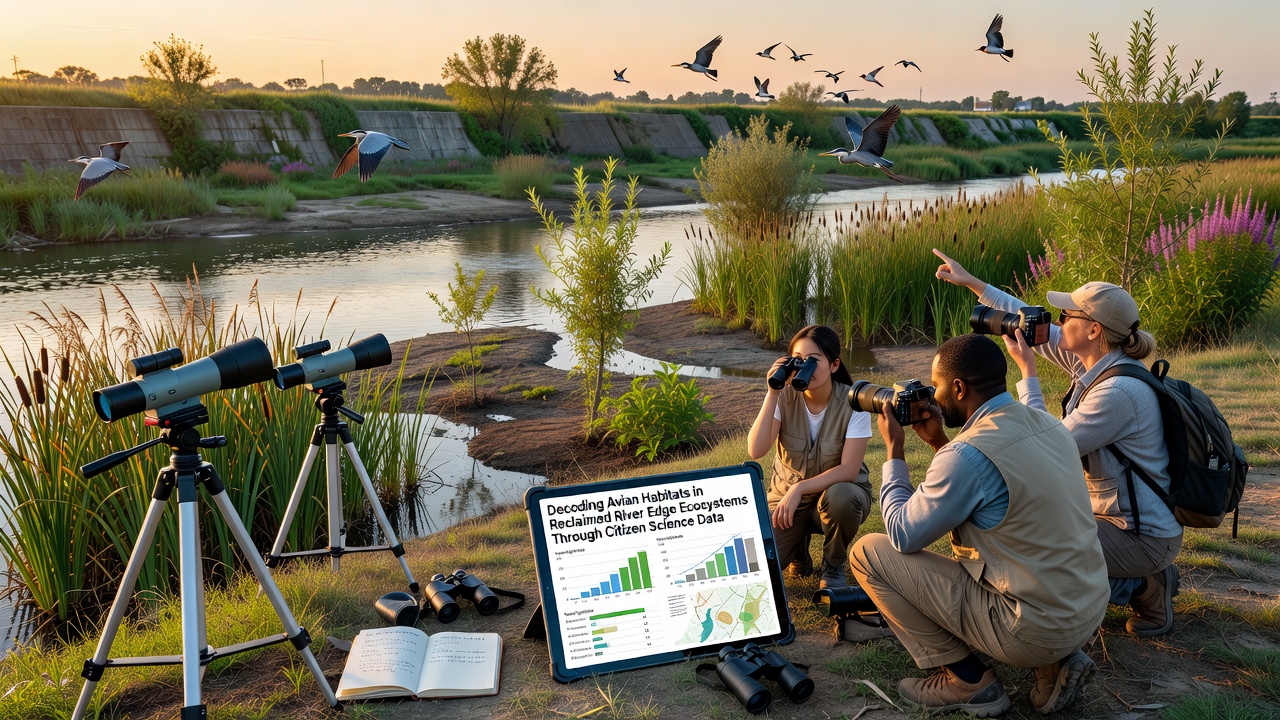
Reclaimed river edge ecosystems emerge from former industrial or agricultural zones that have undergone restoration to support natural processes again, and researchers track avian species distributions in these areas with increasing precision through aggregated citizen contributions.
Defining Reclaimed River Edge Habitats
These zones typically feature engineered banks, planted vegetation buffers, and controlled water flows that replace hardened infrastructure, creating conditions where migratory and resident birds establish territories over successive seasons. Data from multiple monitoring programs show that species such as warblers, shorebirds, and raptors occupy restored edges at rates that differ from adjacent unmodified stretches, with patterns emerging when observers record presence across repeated visits.
Citizen Science Platforms and Data Aggregation
Programs coordinated by organizations including the Cornell Lab of Ornithology compile observations from thousands of participants who submit sightings through mobile applications and web portals, generating datasets that span years and cover hundreds of kilometers of river corridors. Observers note arrival dates, nesting behaviors, and foraging locations, which algorithms then cross-reference with satellite imagery and hydrological records to map habitat suitability.
Methods for Interpreting Habitat Use
Analysts apply spatial models to citizen records that integrate variables such as vegetation density, water depth fluctuations, and proximity to human activity, revealing clusters where certain guilds concentrate during breeding periods. Those who have examined long-term submissions find that reclaimed sites often support higher densities of insectivorous birds in spring compared with pre-restoration baselines, while wintering waterfowl favor areas with stable open water patches created during rehabilitation.
Seasonal Patterns and Geographic Variation
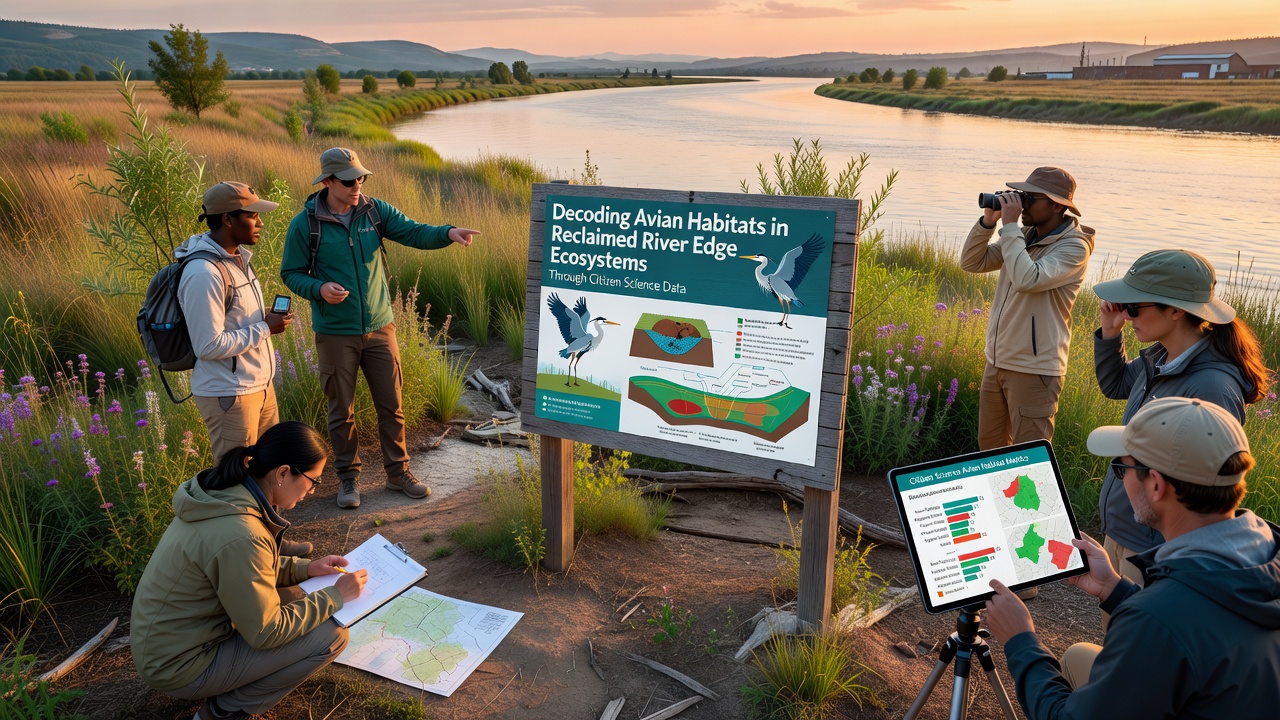
Records collected through 2025 indicate that reclaimed edges in temperate regions host peak diversity during autumn migration, whereas subtropical counterparts show steadier year-round occupancy by resident species. Researchers at institutions in North America and Europe have compared datasets from the Mississippi River basin and the Rhine floodplain, noting that connectivity between restored patches influences movement corridors more strongly than patch size alone in several studied systems.
Integration with Environmental Monitoring
Agencies such as Environment and Climate Change Canada combine volunteer-submitted avian counts with water quality measurements and sediment analyses to assess overall ecosystem recovery trajectories. When citizen data align with instrumented sensor outputs, models gain resolution for predicting responses to future changes in flow regimes or vegetation succession that continue through September 2026 and beyond.
Limitations in Data Interpretation
Uneven geographic coverage and variable observer expertise introduce biases that statisticians address through filtering protocols and validation subsets, yet gaps remain in remote or infrequently visited segments. Studies published in peer-reviewed journals demonstrate that weighting observations by effort metrics improves accuracy, allowing clearer distinctions between true habitat preferences and sampling artifacts.
Future Directions for Expanded Analysis
Emerging protocols incorporate acoustic sensors alongside traditional point counts, expanding the temporal scope of citizen contributions and enabling continuous monitoring that supplements manual submissions. Collaborative networks between universities, government bodies, and nonprofit groups continue to refine data standards so that findings from one river system transfer effectively to others undergoing similar reclamation.
Conclusion
Citizen science datasets now supply the primary evidence base for understanding how avian communities respond to river edge restoration, supporting evidence-based adjustments in management practices across multiple continents. Continued aggregation of observations through established platforms sustains the capacity to detect shifts in habitat occupancy as reclaimed ecosystems mature.